Interview
Anson Smart
PHOTOGRAPHY BY ANSON SMART
& WILLIAM LABOURIER
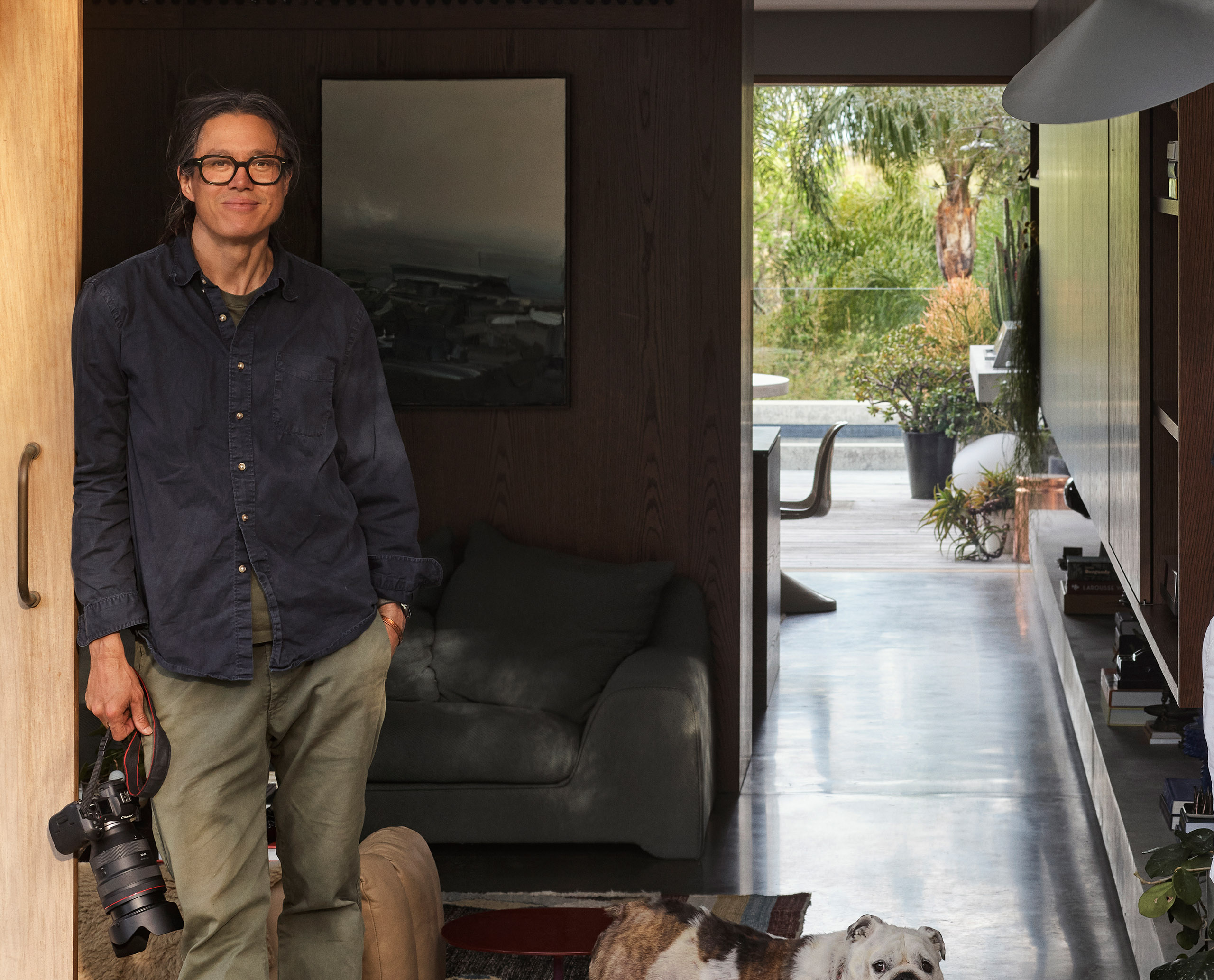
Anson Smart doesn’t just photograph a room — he translates it.
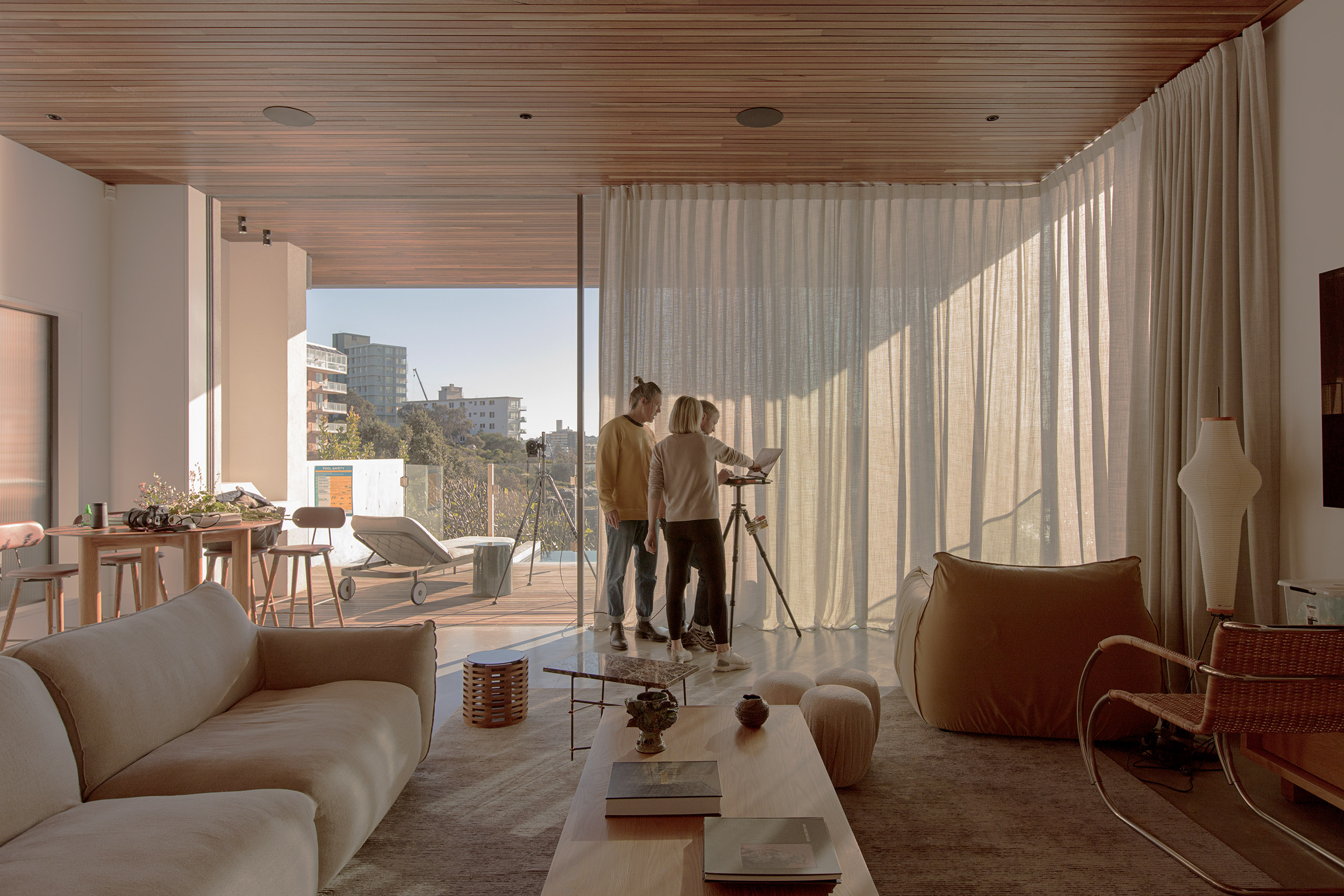
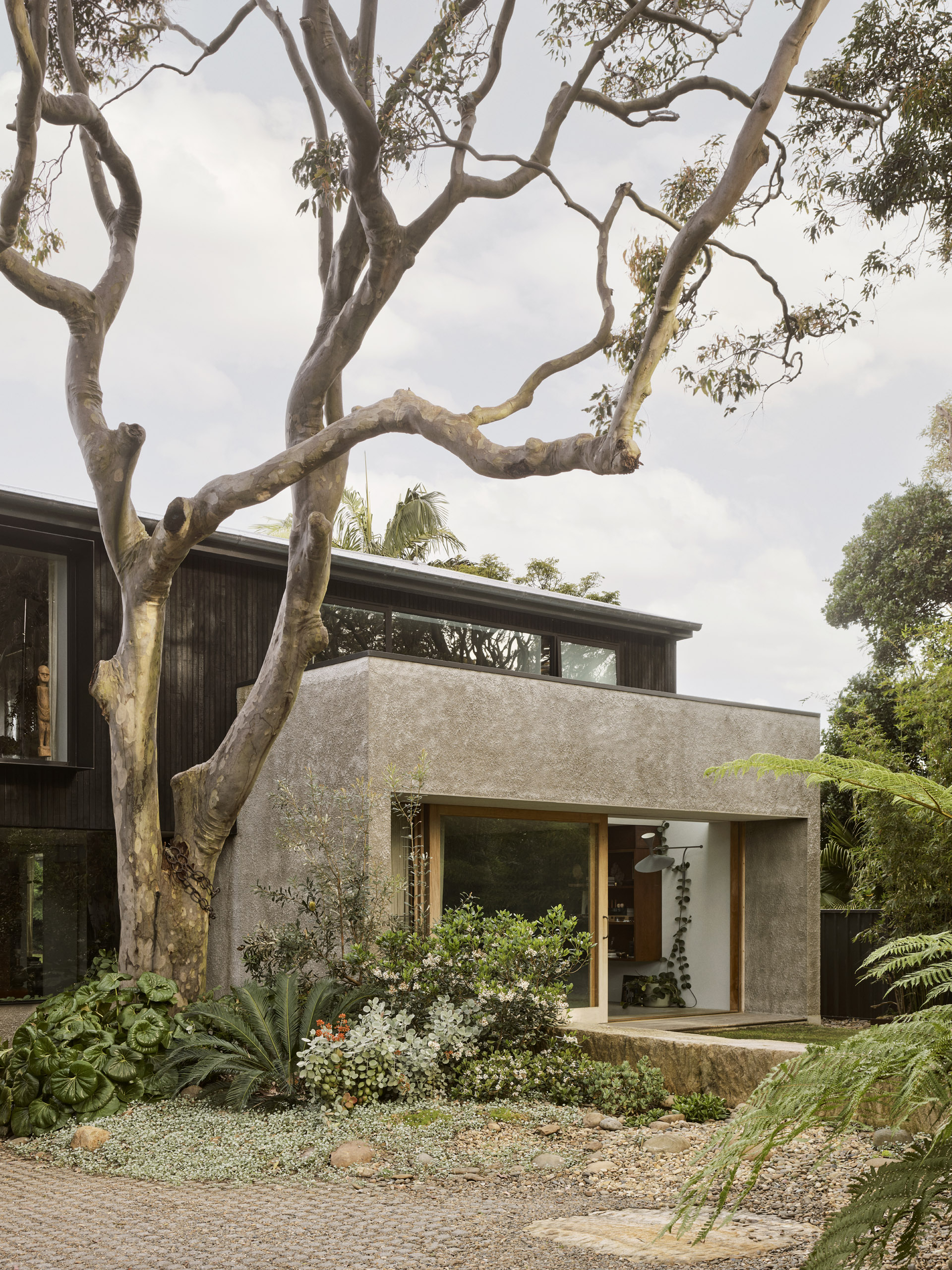
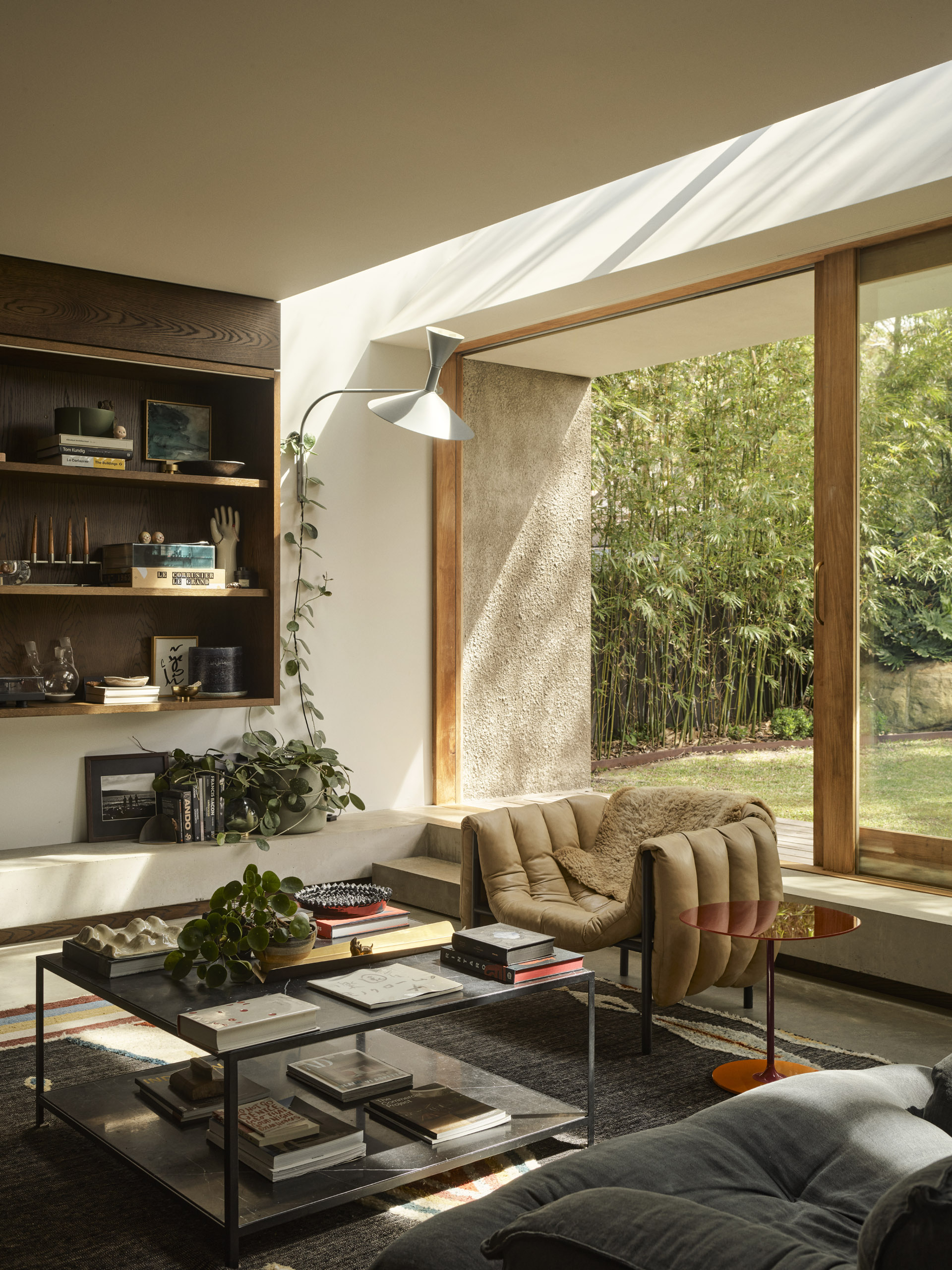
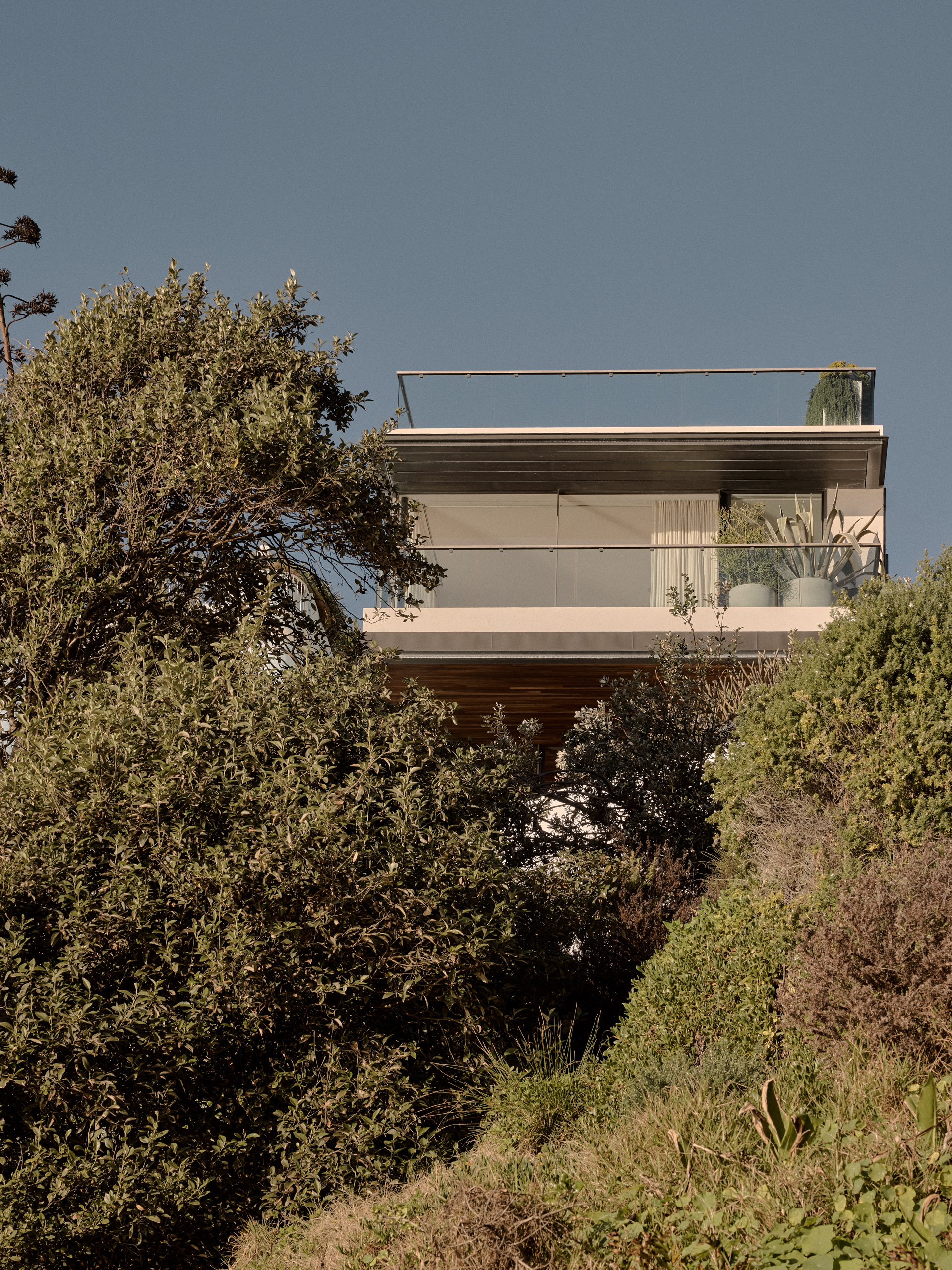
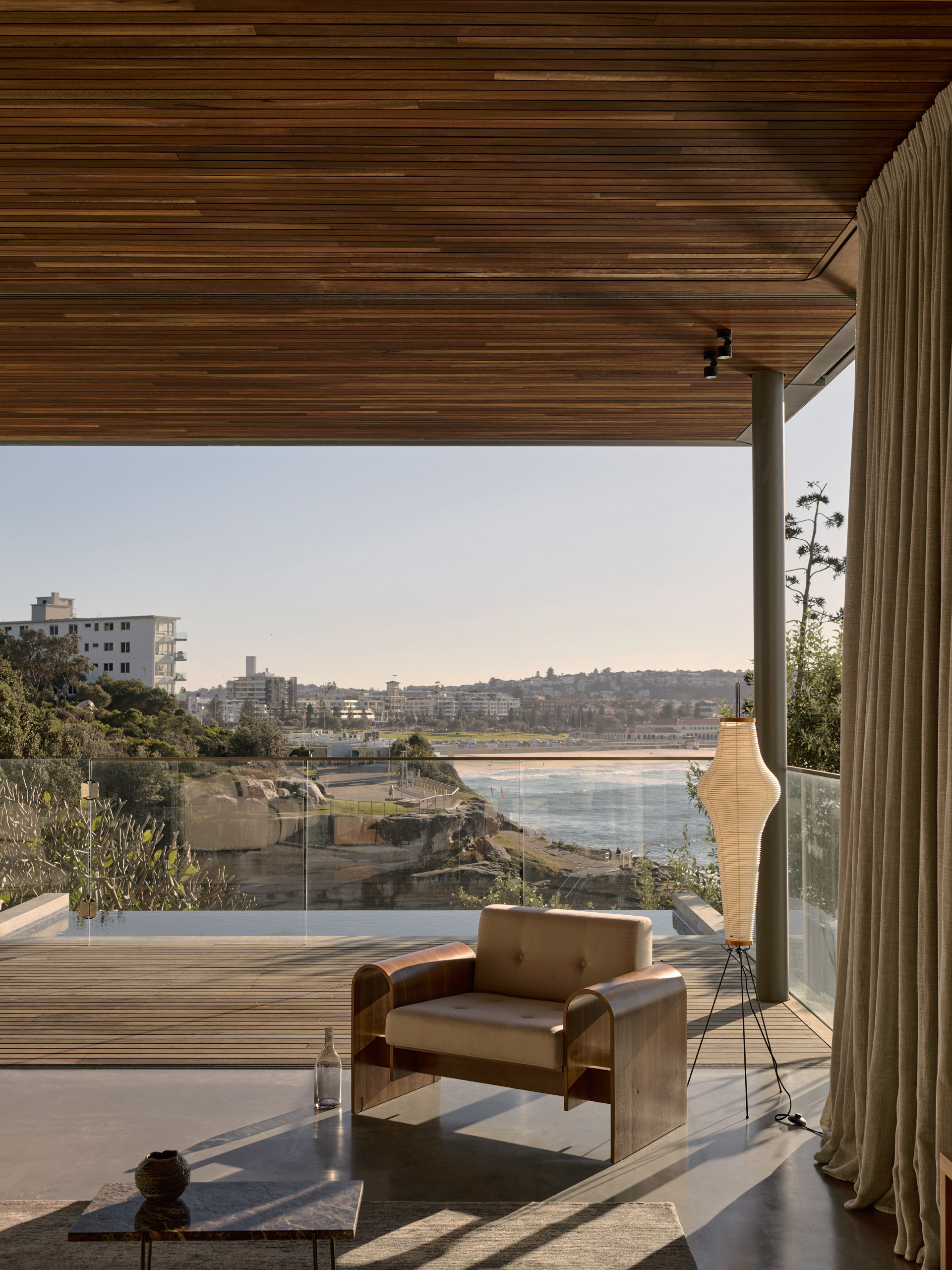
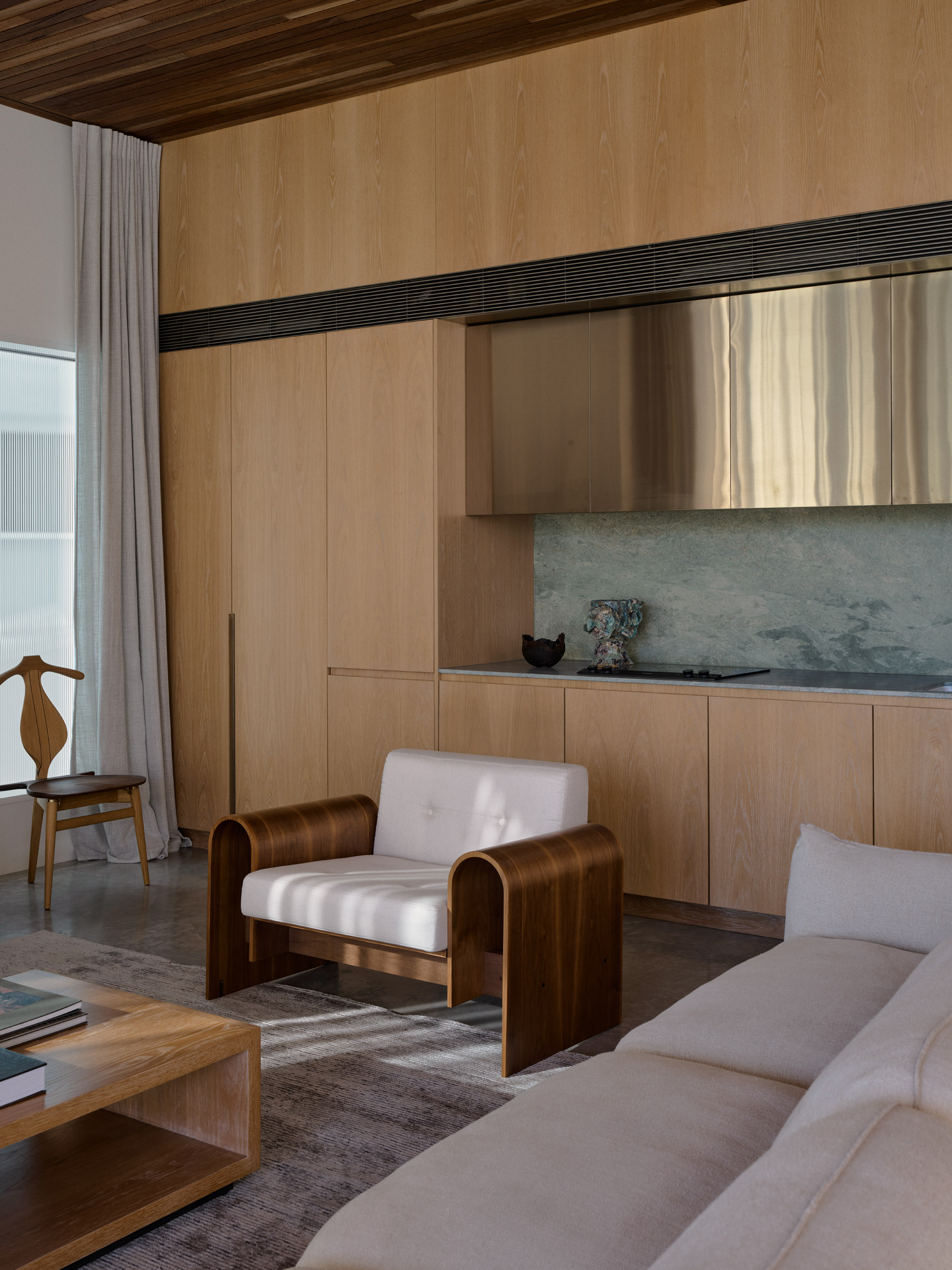
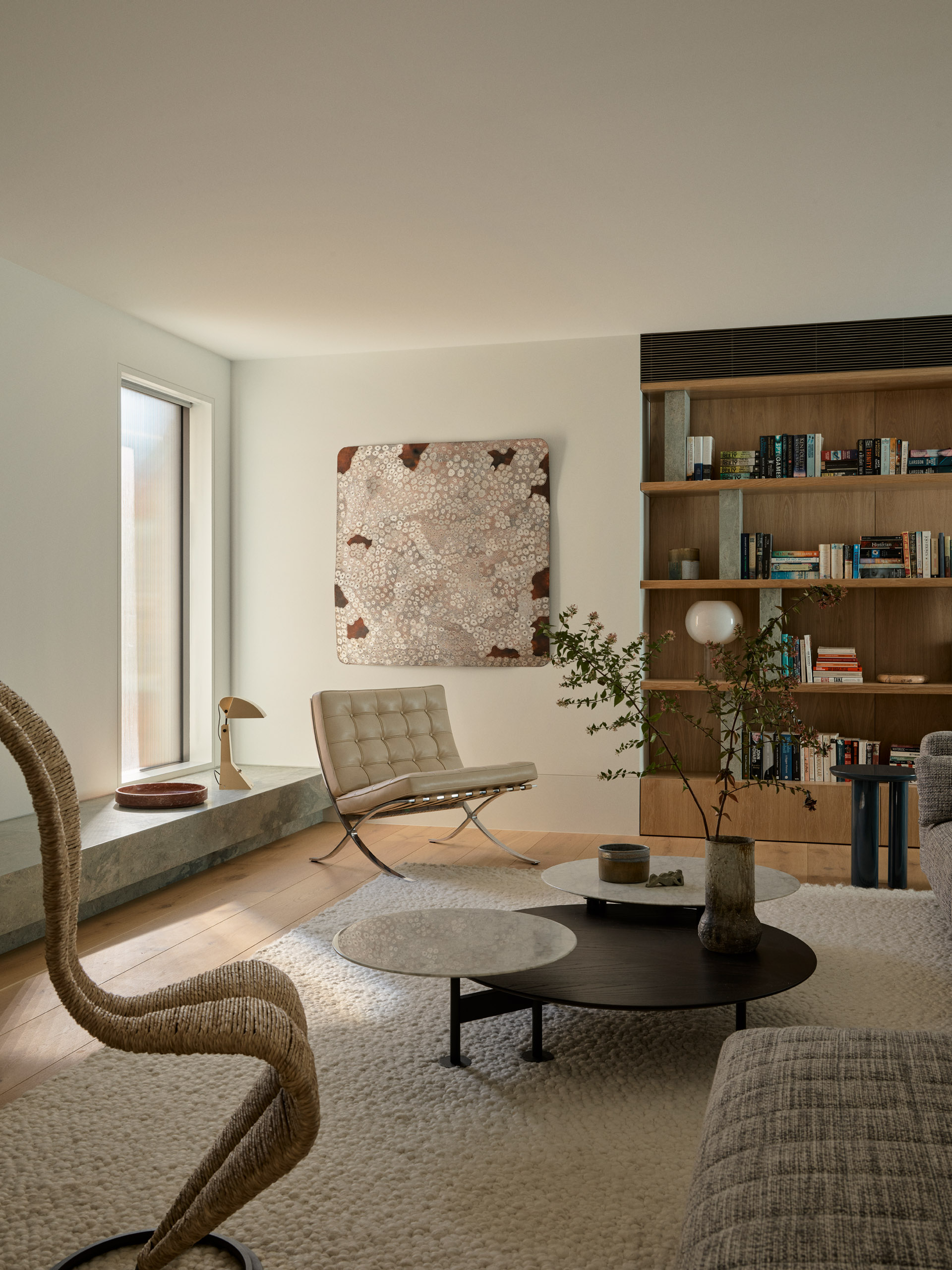
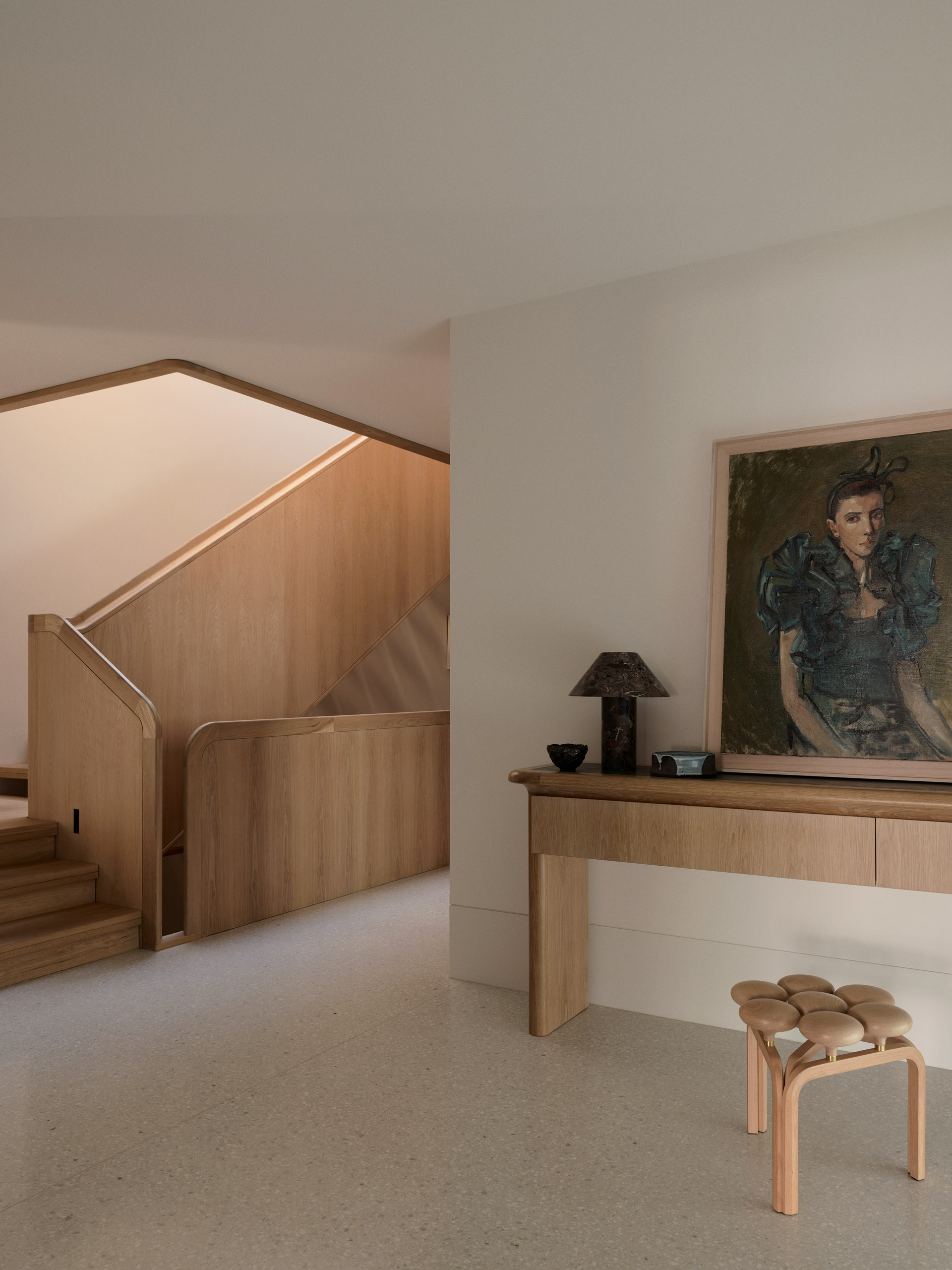
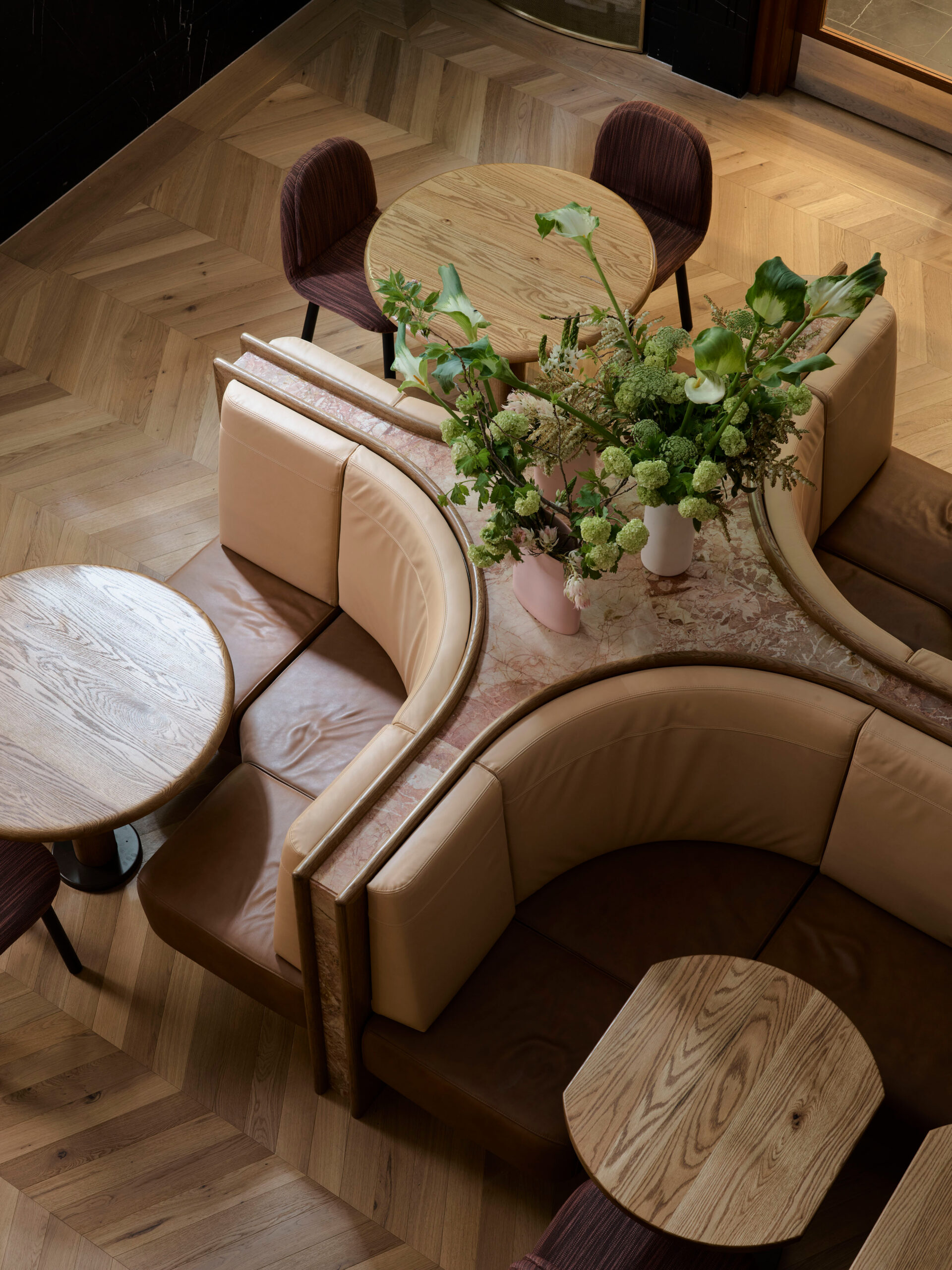
Over the past two decades, the Australian photographer has become synonymous with images that don’t simply capture interiors but express a certain sense of mood – the way light pools across stone, the curvature of a chair and its nod to the life that carries on around it.
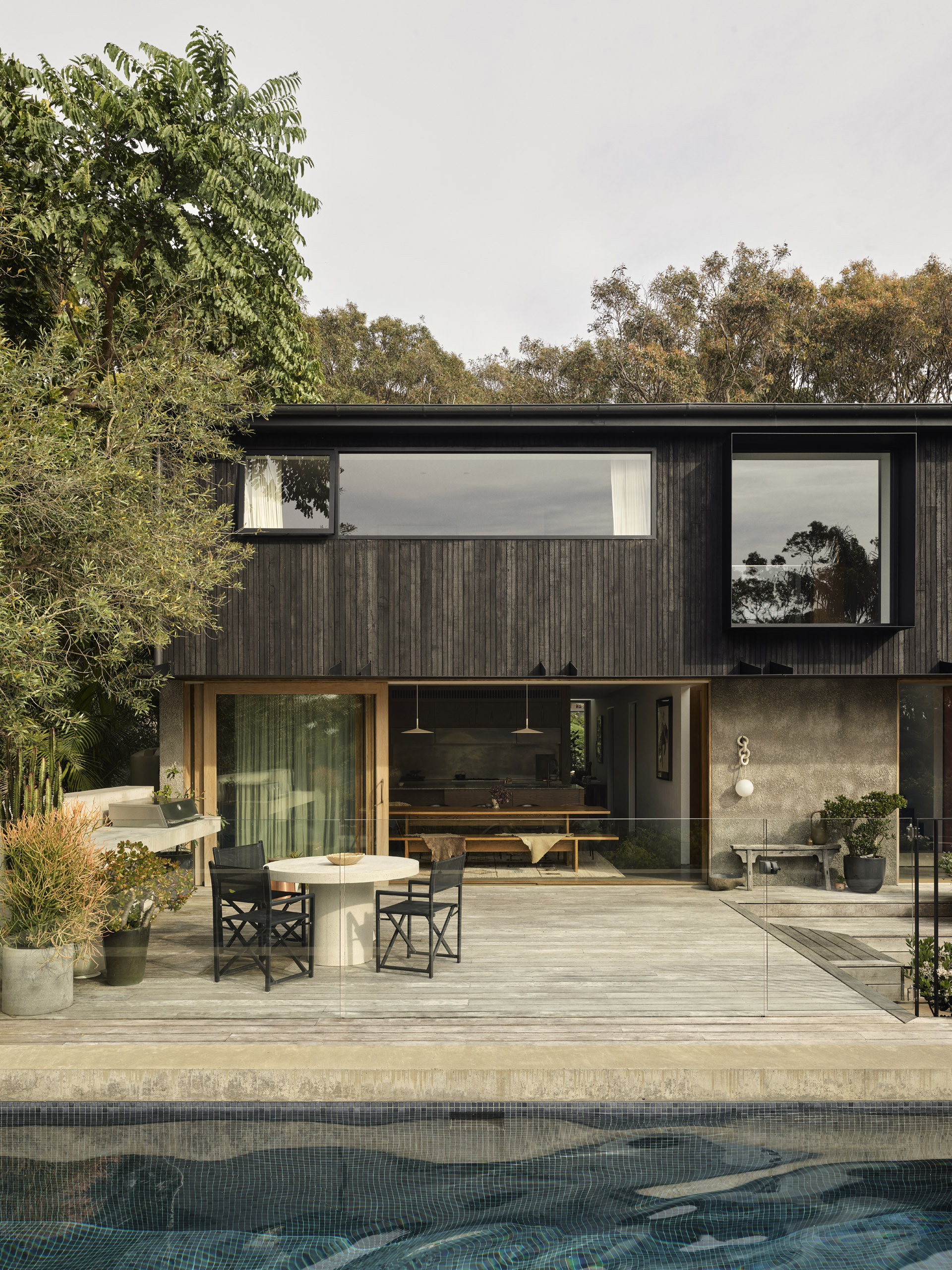
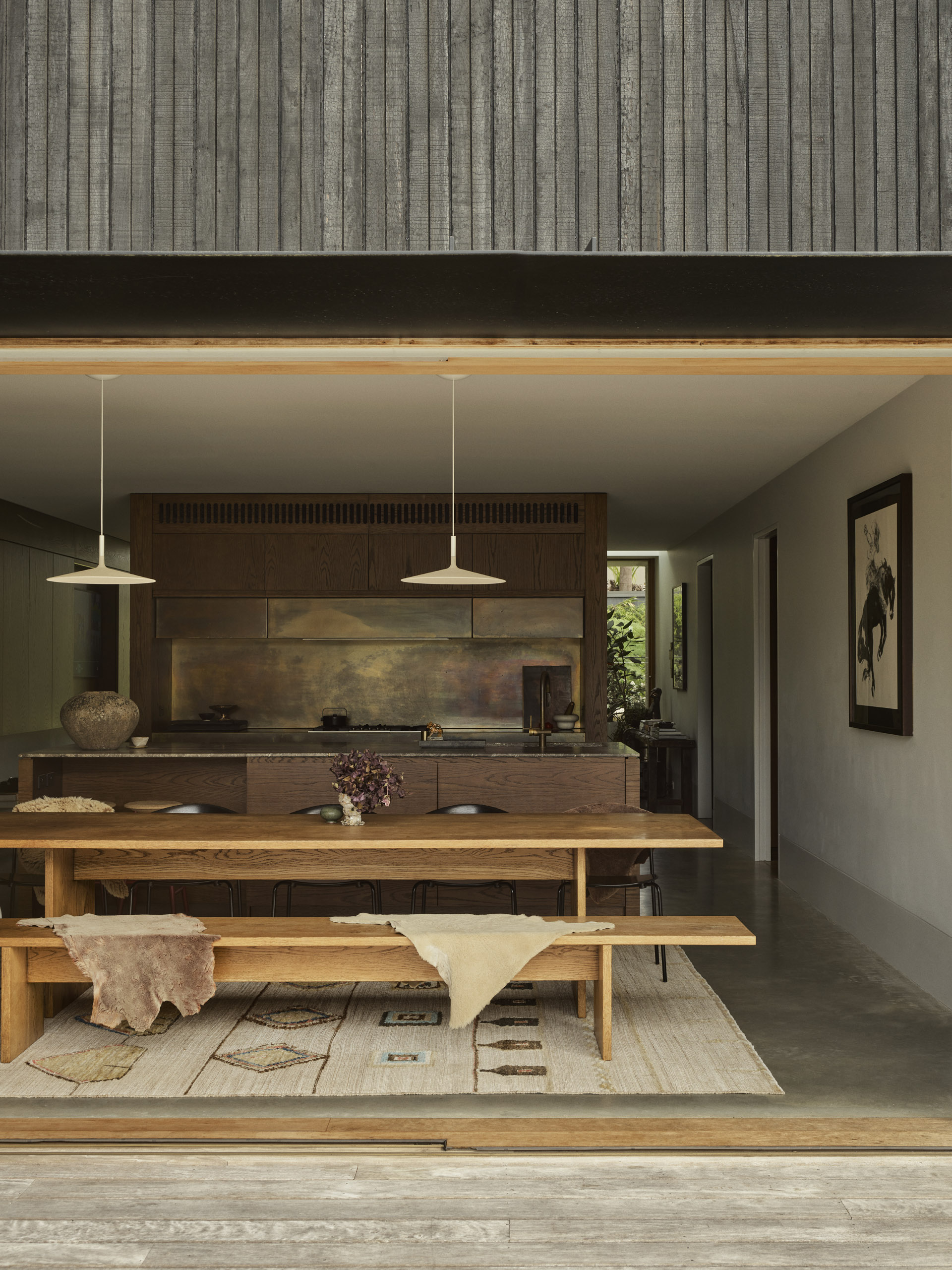
Smart’s work, seen everywhere from Vogue Living to Architectural Digest to The Local Project, has arguably helped define the modern Australian aesthetic — warm, textural, quietly luxurious.
Like for so many, it was travel that led Smart to photography. An overseas trip at 20 saw him pick-up a camera – moving into studying the medium at the San Francisco Academy of Art before several years assisting advertising photographer Ian Butterworth in Sydney before branching out on his own.
Here, Smart reflects on those beginnings, the discipline behind creating images that feel effortless, and what it means to capture beauty in an age of endless scrolling.
Do you recall the first photograph you took that made you feel something – a moment when you thought, this could be my work, my way of seeing?
I do. I took a shot through the back window of my car when I was driving across the US in 2000. I took it near a town called Truth and Consequences. It’s just a picture of the car window and the sun shining through a floral curtain I made myself so I could sleep in the back. It’s not anything much, but it’s a feeling and still one of my favourite photographs
Your name and oeuvre is synonymous with interiors and architectural photography – what drew you to spaces rather than people or landscape? Was it instinct or evolution?
Funnily enough I actually enrolled to study architecture before deciding on photography. I’ve always been drawn to the way light shapes a space. And I’ve always had an interest in design. In many ways, interior and architectural photography encompass everything from still life to landscape and portraits of the people who create or occupy them. It incorporates a range of skills so it’s always interesting.
When you shoot a space, what are you really trying to capture – its geometry, its energy, its silence, or the way it holds life?
I try to capture the way it feels. My clients obviously need me to capture certain design and structural details but I’m really trying to capture what makes that space feel unique and help people who view the images know what it feels like to be there.
Do you think there’s something distinctly Australian about your visual language – in the light, in the restraint, as aligned to the way we design with, and utilise, space?
Very much so. It’s the relationship with the natural environment that shapes the design which in turn shapes the imagery. And it’s the Australian light which is quite unique.
So much of your work is the result of collaboration with architects and designers. How do you navigate the balance between documenting their vision and expressing your own?
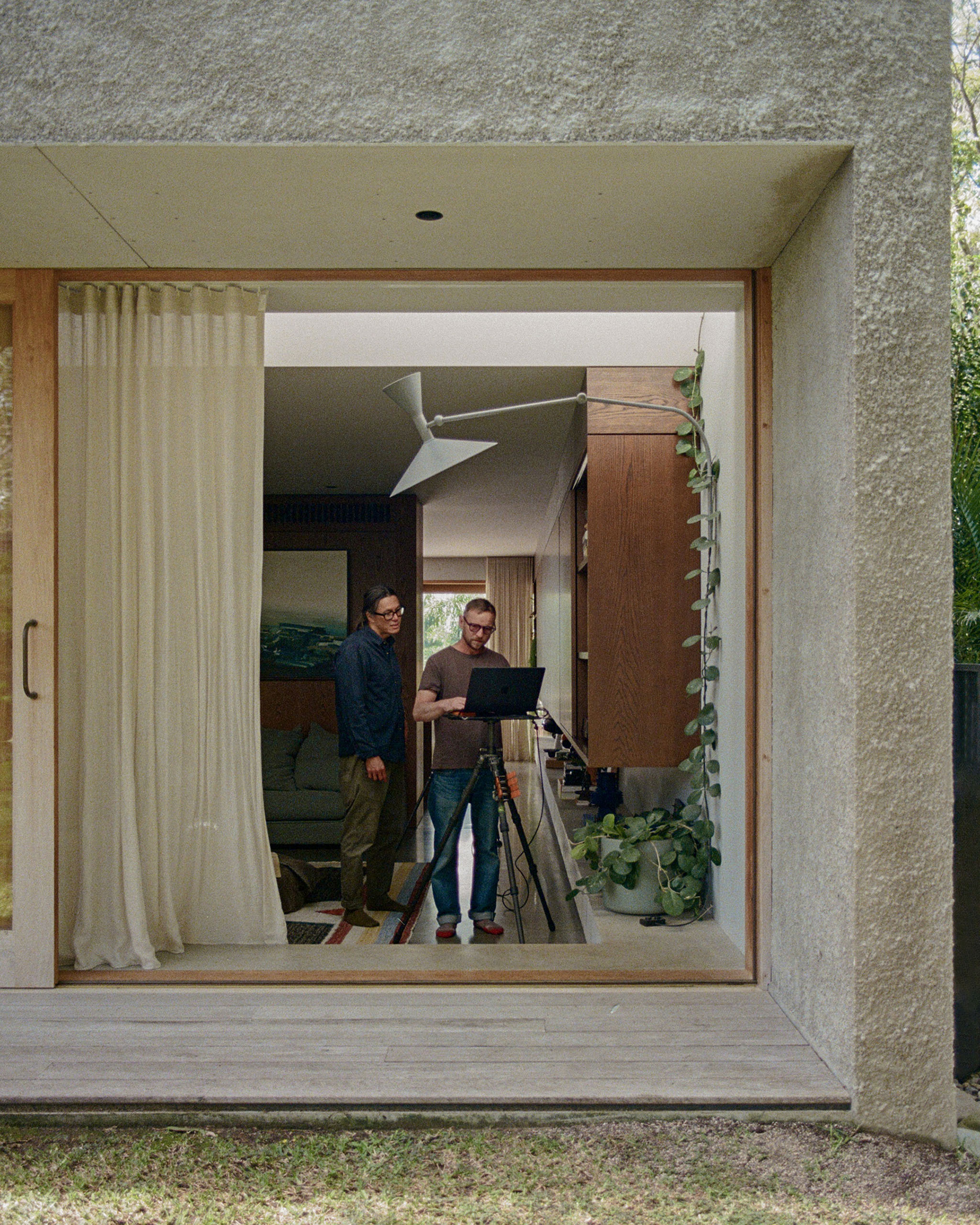
It’s a little give and take but I feel like for the most part these days most of the architects and designers trust what I see and let me do my thing. I will walk through and discuss key things they would like to highlight about the design and then I figure out ways to best interpret that. But it’s nice to feel free to lean into the little moments that evoke a feeling.
You’ve said before that editing is as important as shooting. How do you know when an image has the right emotional weight – when it’s finished?
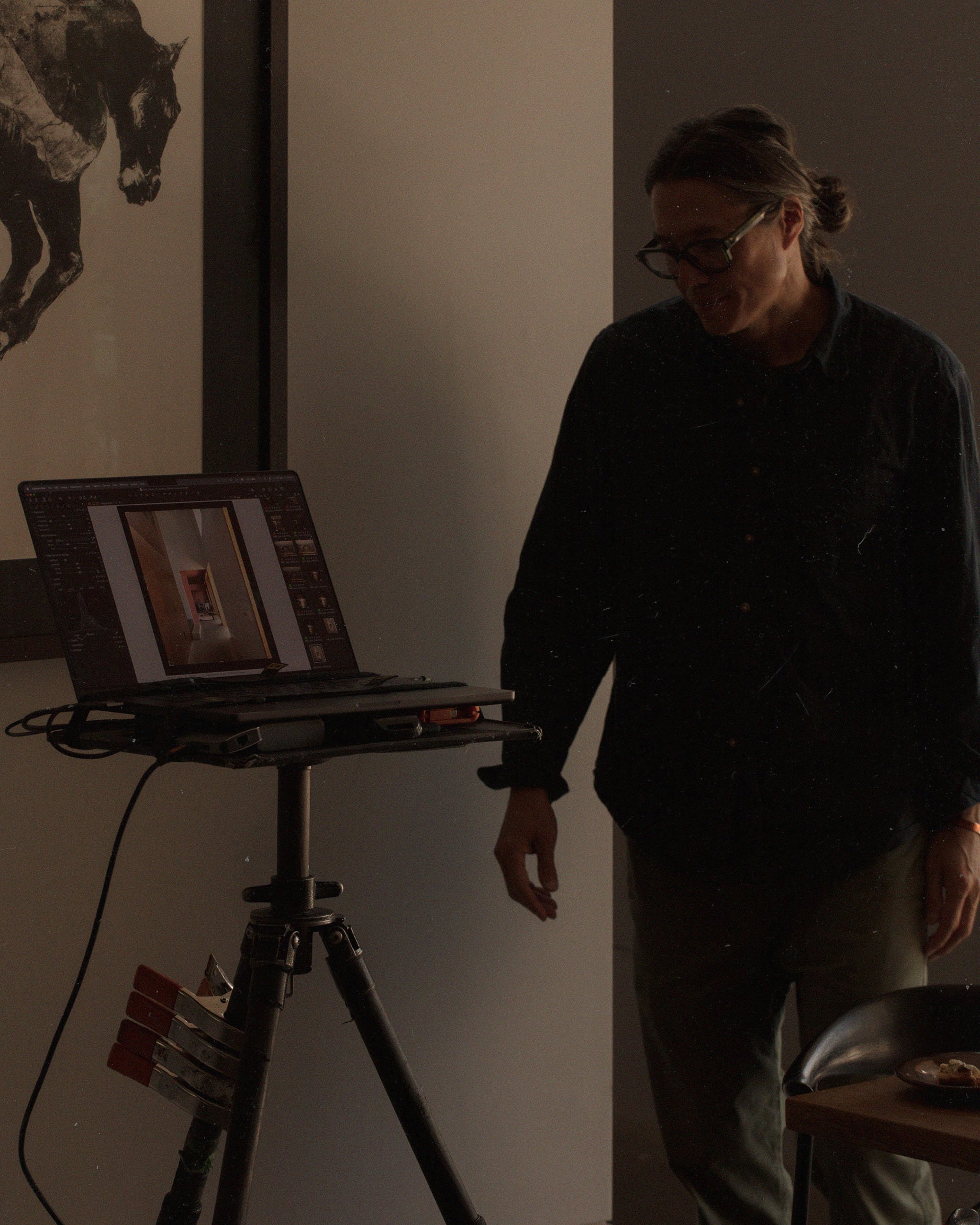
You just know. Even when there is a lot of work on an image the whole goal is to make it feel like there hasn’t been any work, like it’s effortless. I always try to make it look like I haven’t been too heavy handed. It’s always got to feel natural and real.




Whose work or what kind of art has most informed your way of seeing – photographers, painters, filmmakers, architects?
It’s a multitude of things. It can be a scene in a movie where the light falls a certain way, like In The Mood For Love. I like looking at fashion photography because of the way the images are treated, and in many ways design is a lot like fashion – it changes and moves in tune with how people are feeling. When I was younger, I really loved still life photographers like Irving Penn and Martyn Thompson. I’ve never really been drawn to the work of architectural photographers. I really like the cinematic quality of Phillip-Lorca diCorcia, his treatment of colour and light. I like William Eggelston’s colour. Artist-wise – there’s so much good art so it’s hard to name just a few; I’m constantly discovering new painters whose work I love. But I really like the way David Hockney captures spaces.
Looking back over your career, how has your style or approach changed? Do you still see the same way you did ten years ago?
I think it’s evolved, it’s almost become simpler, I constantly try to make things simpler and less complicated. Trusting your instincts in the way you use light. A big part of what I do is understanding where to be at the right time and not forcing something. If it’s not working I move on and come back later to see it in a new or better light.
How has the rise of digital platforms and social media changed the way you work or how your work is consumed? Do you see it as dilution or democratisation?
I think it’s great that the work is being seen by a lot more people now and your visual reach is not so exclusive anymore. Everyone is a publisher now. Except me. I’m a bit slack on updating my own website and social media. But luckily others post my work for me. I just want the images I shoot for my clients to get as much mileage for them as possible. I do need to post more often though.
There’s a calm, often meditative stillness to your photographs. What role does silence or slowness play in your creative process – and in the way you see the world?
I feel like I’m hardly ever still except when I’m surfing. I give off an impression of calmness on shoots but while my demeanour may seem calm, I feel like there is a lot of inner decision making and figuring out. I trained as a pilot so I’m very detail oriented and knowing that everything is well organised, and I have everything I need, brings a sense of calm. Then I can just lean into the capturing the moment I’m in.
Do you see yourself still learning as a photographer – despite what we’re sure is certain repetition in the work?
Yes, I’m constantly learning. The technology is constantly changing. People’s needs are changing alongside improvements in technology. I’m quite collaborative, so it’s great when people have suggestions and you feel challenged by a new point of view. I really enjoy listening to podcasts about technology and AI and learning how to use new software.