Interview
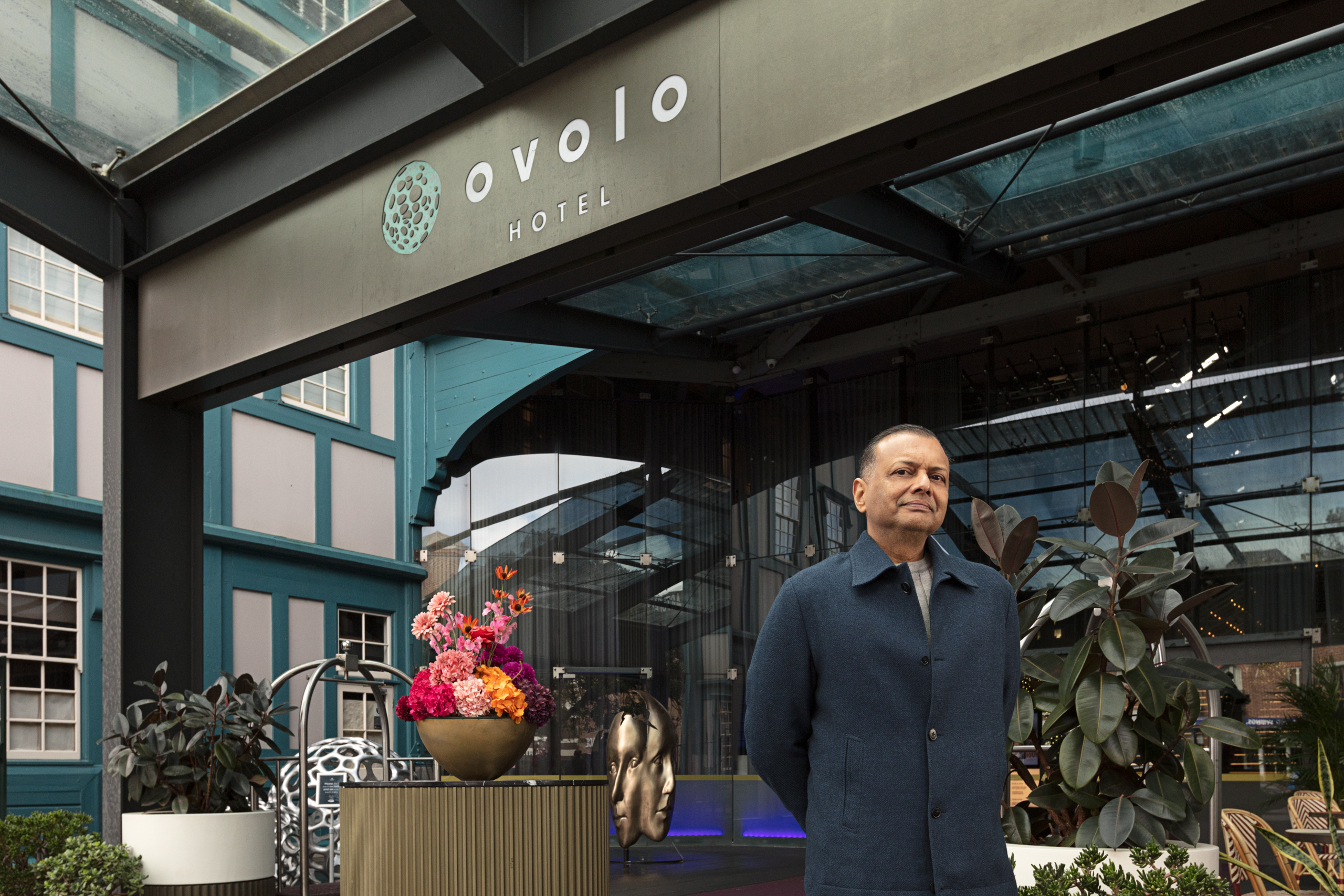
Girish Jhunjhnuwala
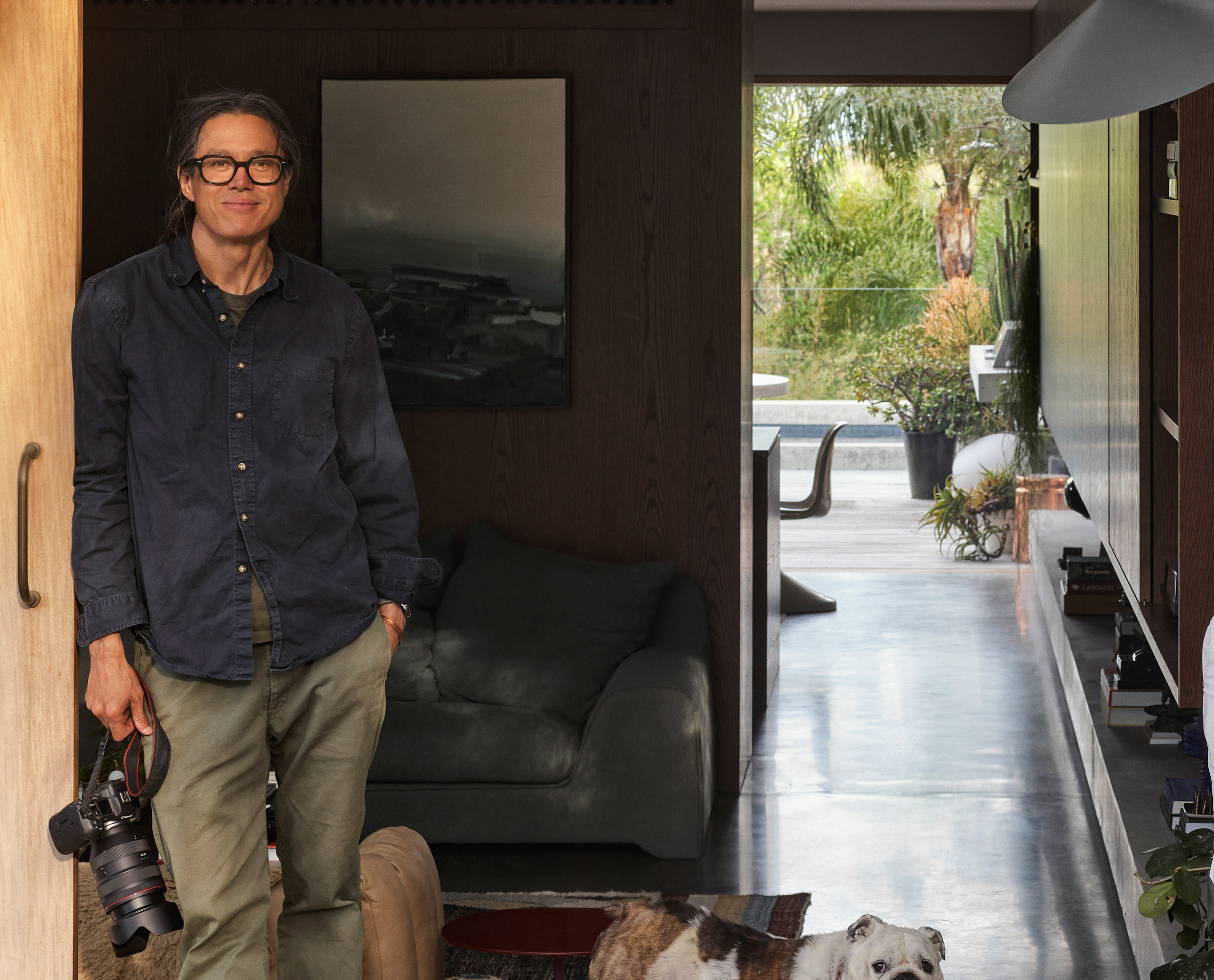
PHOTOGRAPHY BY WILLIAM LABOURIER
If we wander back to the debut of the Ovolo brand – we’re right in stating this was born in Hong Kong from serviced apartments?
Yes, I decided to pivot into hotels and we picked up one of the brands that we liked for our serviced apartments, which was Ovolo, and that’s how it all started in 2010.
And you were quick to move into the Australian market – what were you seeing that drove that expansion?
I really just followed our demographics. I looked at the number of people staying with us and where they were from and I found we had a lot of Australians with us. So, Australians like our brand – there’s something we’re doing that they like and so we launched into Australia – first with Melbourne in 2013 and then and very quickly in Sydney, which was a natural move. I always wanted to be in Sydney and near the water.
Let’s talk about Ovolo Sydney is on Woolloomooloo’s Finger Wharf – an iconic building and property. What does this historic build offer – you’re always wanting to secure a unique build for your hotels.
We’ve owned the wharf since 2015 and opened it in 2016 – it’s been over 10 years now.
It was a complete transformation at that time, from what it was, as you say a heritage listed property on a wharf … And we transformed the property from what it was in terms of the look and feel to something a little bit more special, in using the public spaces very well. And for a couple of years, we won the best hotel in Australia. But then COVID happened and the hotel started to get tired. New [Sydney] properties have also opened up, and I had different people working on different aspects of it and it just became a bit of a mishmash…
… A little disjointed in its narrative?
Yes. And so, in the end I decided that we have this iconic property, are one of only three hotels in Sydney on the water and we have to do something a little bit more special – that’s how we decided that we’re going to redo the whole place and which we are doing at the moment.
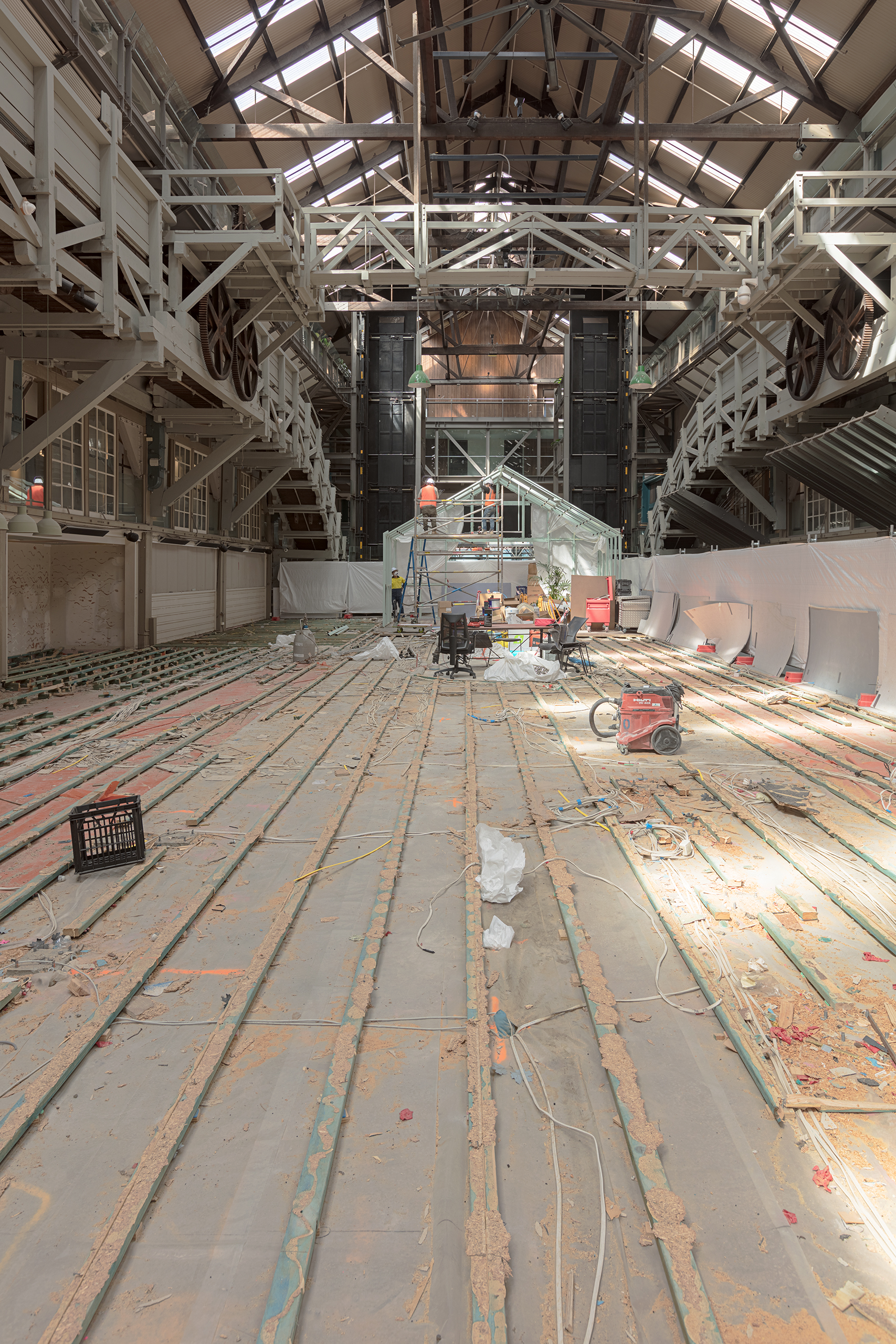
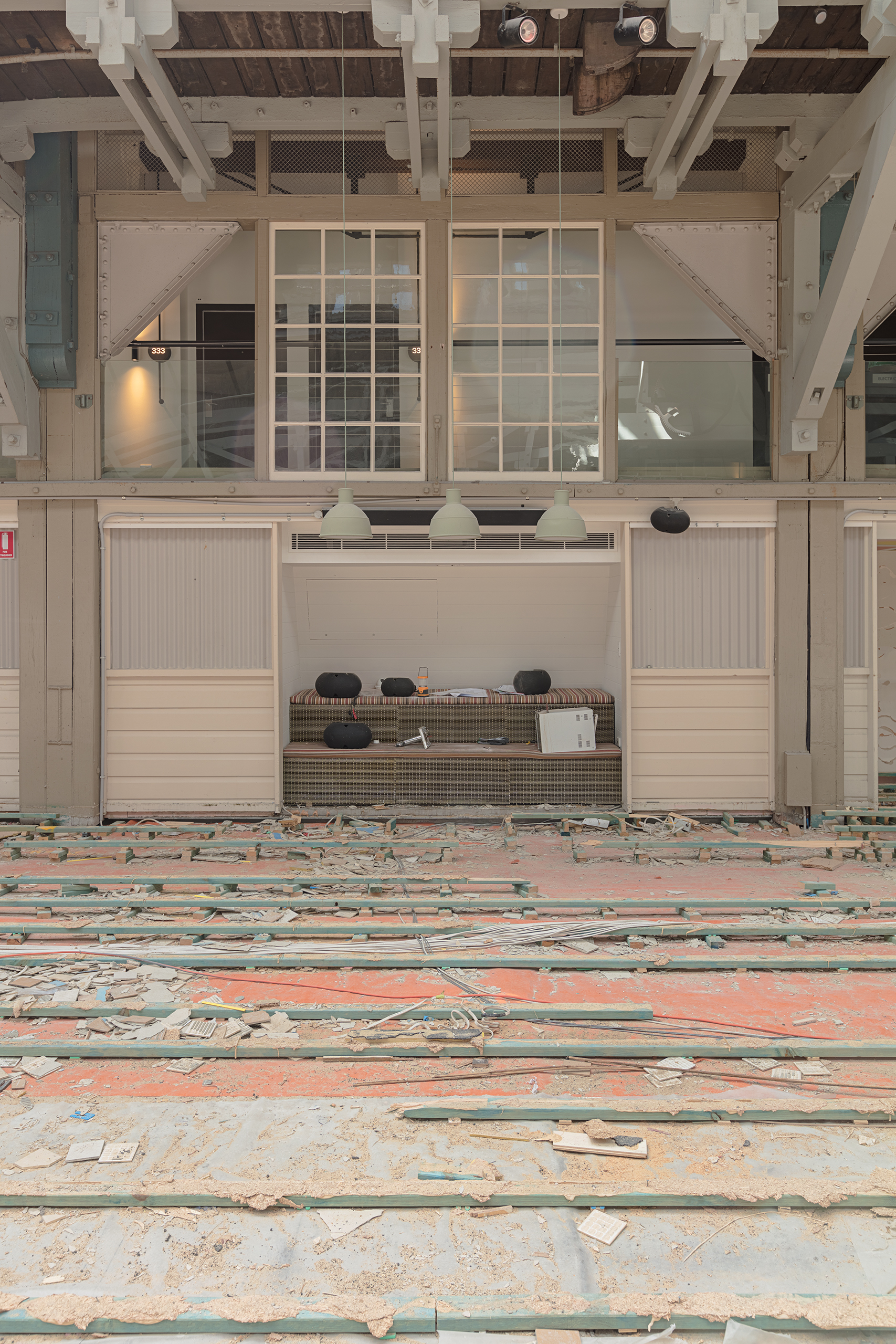
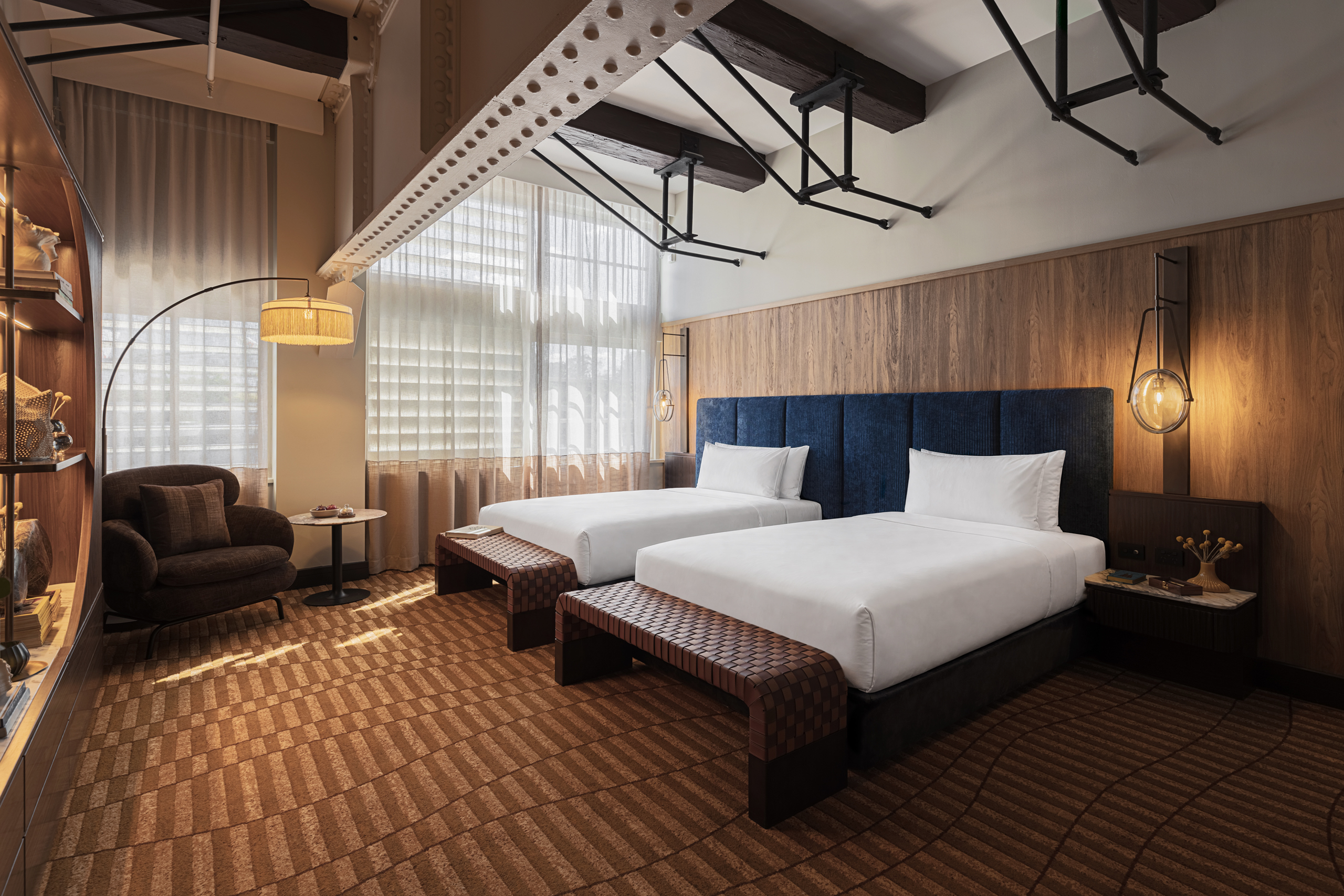
This is a heady multi-million-dollar refit – we’re talking the breadth of the property, across rooms and all public space and hospitality.
Initially we weren’t going to do much in the rooms, more like a touch up … But that has changed and then, yes, the public areas were in need of some definition.
H&E were initially attached on that latter front – though it’s a partnership that sees them now taking on the hotel. That speaks of trust and a strong working relationship.
H&E was brought in to do the public spaces and restaurants because that’s their expertise. But then I decided to flip the budget and said I want to actually spend more on the rooms. I talked to [co-principal] Chris [Grinham] and I said, ‘you don’t have much experience in rooms, you’ve never done a hotel, but I’d like to give you a shot.’
What drove that?
I like Chris’ attitude, I like their work and I’m also a bit of a risk taker. And [H&E] is somebody who will look at things from a fresh perspective – and so I decided to take the plunge.
Can we talk about the spend here – closing around $25 million.
Yes, the budget has kept growing and it’s a massive spend… The other thing here is that Chris and his teams are open to ideas, they’re not closed off. Some of the other hotel architects would be ‘no, no, no, that’s how not hotels are done.’ I hate it when architects tell me that because I always like to defy what they say and I always want to build something a little bit different.
A wealth of established and notable luxury global brands have come into the Sydney market the past five years and it’s set to continue – what do you see as driving that and how do you compete?
Sydney is the go-to Australian market – when anybody oversees thinks about Australia, Sydney is first to mind. For me, Sydney always means water and the beautiful harbour. And we have that.
I also think more brands coming in is a good thing, I’m happy about that. But I would also say that when you compare Sydney to the main global cities – Hong Kong, Tokyo, Paris, London, New York – these cities have premium hotels that are typically upwards of $700- 800 [USD] a night.
In Sydney, you don’t have that and most sit in the $600 – $800 [AUD] range or below. Now, nobody’s really tried to break the threshold and why is it Sydney has not gone into that high premium market, like the rest of the great cities in the world?
It’s something to think about, because you’ve got the best restaurants in the world in Sydney, just like you have in London, New York, Paris, Hong Kong. But why not the hotels? Sydney is a world class city and there’s no reason why these top, iconic brands cannot be there. I just think it’s a matter of time.
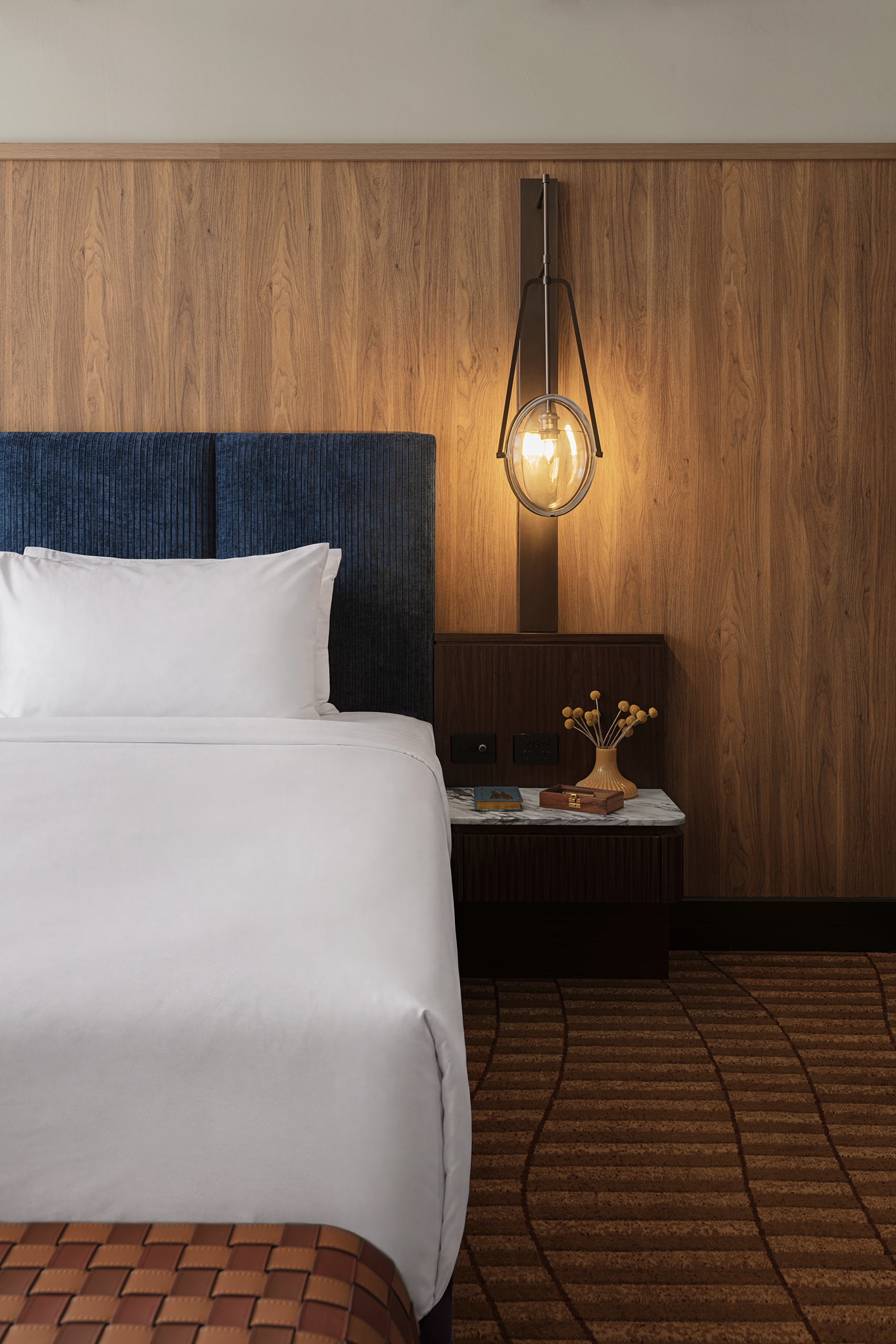
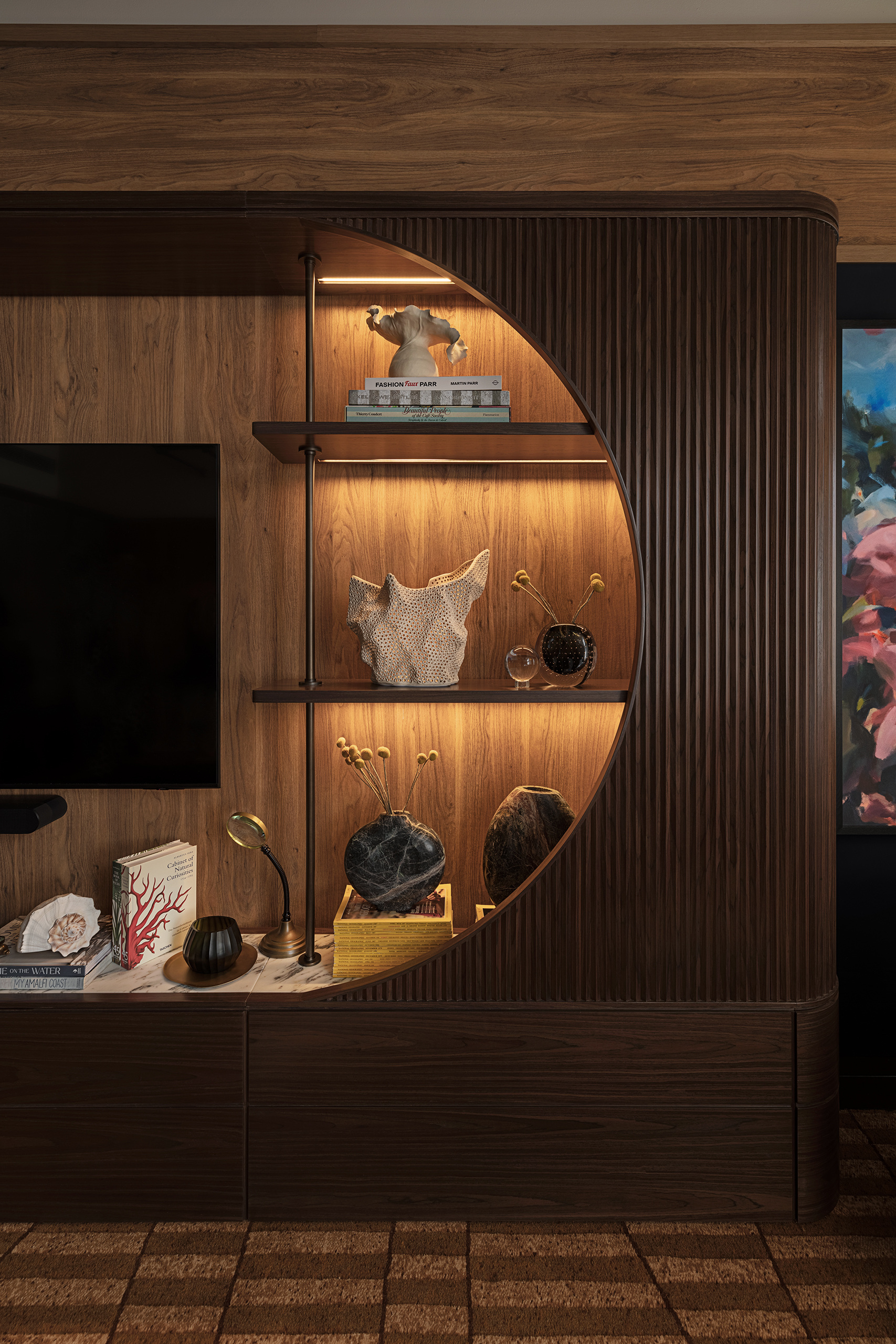
You talk about a desire to do things differently and it’s certainly something that frames the Ovolo brand and the guest approach – from free amenities to pushing a sense of community and connection through socialising.
It’s about the customer not knowing what they want but you give them an experience that they won’t forget – even if they don’t always realise this at the time… Yes, we continue to do the social hour, which is a very important feature of what we do – it’s these things that bring guests together, for them to meet others during the social hour and meet with the hotel management and to just talk about things like restaurants they went to or getting other recommendations. It’s about how we make them feel at the end of day and is that a comfortable feeling? Do they feel they’re isolated and just guests or do they feel part of a community within a hotel?
Is the Australian guest increasingly discerning and savvy?
Yes, I think the last 10 years they’ve become a bit more savvy in terms of what they want. It’s important that we look at the offer – is there enough space in the rooms, is there a cool bar in the hotel? That’s actually something I feel is so important – to have a nice bar where people can hang out.
What of the hotel F&B offer – is it necessary these days? Is it actually imperative to have a ‘destination’ culinary offer within a hotel?
At the wharf we made the decision to switch off our F&B. You’ve already got seven great restaurants on the wharf so do we really want to compete with them? We also don’t have the water views they have from inside the hotel.
And let’s be honest, how many times do you say, ‘oh gosh, I really want to go and eat at this hotel’s restaurant?’ You don’t, instead you say, ‘let’s go check out this new cool restaurant that’s opened up wherever’.
I felt we should concentrate on a great bar and all-day dining, rather than a signature restaurant. Again, there’s so many great eateries and restaurants and people who are so good at what they do in Sydney. And so let them do what they do and we stick to what we do best, which is running hotels.
To me, it’s about having some kind of comfort food if you’re tired and you don’t want to go out. But do you want a Michelin star meal? I don’t think so – you can go out for that.
What of the MICE and events sectors – is that a consideration for the wharf moving forward, certainly a sector Sydney hotels are increasingly pursuing?
We do about 80 to 100 weddings a year right now and the plan is to take that up to 200 a year. And not just weddings, but meetings and events and so on – I think our hotel is very well positioned to be a conference venue and we can tie in with the wharf restaurants – you know, continue on for dinner at China Doll or whatever.
Girish, as someone who travels extensively is there a property or a couple of properties that have changed your thinking about hospitality, or which spark your thinking about the way things can be done?
Well, my favourite brands all happen to be Hong Kong brands – The Peninsula, The Mandarin, Rosewood. These are all iconic hotel brands and they’re all incomparable. And I wish to be counted amongst them one day in the future.
What is it they do or what stands out when you talk about these brands?
They have a guest following that is so strong because the brands keep performing again and again and again – they keep doing an outstanding job of every property that they open. Even if you only stay with them a couple of times, they know everything about you. And these are big brands, and quite obviously global brands, but they very much still have that personal touch and that always comes through when staying there.